
This Week's Portion
August 23 - August 29
Nitzavim-Vayelech
You Are Standing-And He Went נִצָּבִים־וַיֵּלֶךְ
Torah: Deuteronomy 29:10–31:30
Haftarah: Isaiah 61:10–63:9
Gospels: John 12:41–50
Shabbat: 1 Samuel 17
Nitzavim-Vayelech
You Are Standing-And He Went נִצָּבִים־וַיֵּלֶךְ
Torah: Deuteronomy 29:10–31:30
Haftarah: Isaiah 61:10–63:9
Gospels: John 12:41–50
Shabbat: 1 Samuel 17
Last Updated: August 24, 2026
Image Credit: FFOZ
Image Credit: FFOZ
Saturdays at 10:30am
Saturdays at 8pm
Want the week's Torah Portion texted to you each week? We got you!
Text keyword "bible" to (916) 347-4575.
Text keyword "bible" to (916) 347-4575.

Upcoming Torah Portions
August 30 - September 5
Ha’azinu
Give Ear הַאֲזִינוּ
Torah: Deuteronomy 32:1-52
Haftarah: Hosea 14:2-10
Gospels: Matthew 18:21-35
Shabbat: 1 Samuel 18-20
Ha’azinu
Give Ear הַאֲזִינוּ
Torah: Deuteronomy 32:1-52
Haftarah: Hosea 14:2-10
Gospels: Matthew 18:21-35
Shabbat: 1 Samuel 18-20
September 6 - September 12
Vezot ha’Bracha
And This Is the Blessing וְזֹאת הַבְּרָכָה
Torah: Deuteronomy 33:1-34:12
Haftarah: Joshua 1:1-18
Gospels: Acts 1:1-14
Shabbat: 1 Samuel 21-23
Vezot ha’Bracha
And This Is the Blessing וְזֹאת הַבְּרָכָה
Torah: Deuteronomy 33:1-34:12
Haftarah: Joshua 1:1-18
Gospels: Acts 1:1-14
Shabbat: 1 Samuel 21-23
Translations at Yeshua's House
Legacy Standard Bible
OUR MAIN GATHERING BIBLE
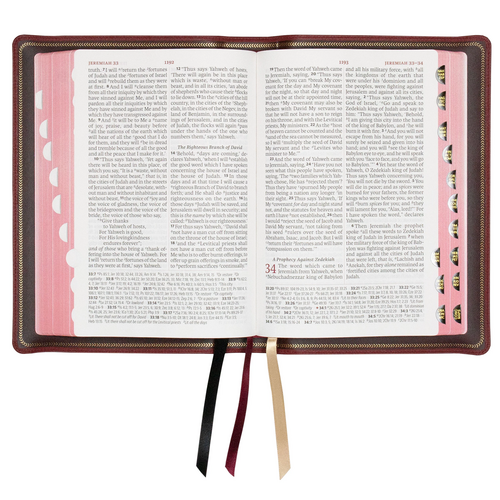
The Bible was written in Hebrew, Aramaic, and Greek. And because none of us are fluent in those languages, we need a translation. While no translation is perfect, some are certainly better than others. At Yeshua's House the Legacy Standard Bible is our go-to "readable translation." It's not too much, and it's not too little. It's a relatively faithful word-for-word translation. What's more, it reintroduces Yahweh (YHWH) and Yah back into the text, thus familiarizing the reader, once again, with the Name of God. It was always there, in the original languages, but history stole that from us. Gratefully, the LSB translators put it back.
The Scriptures
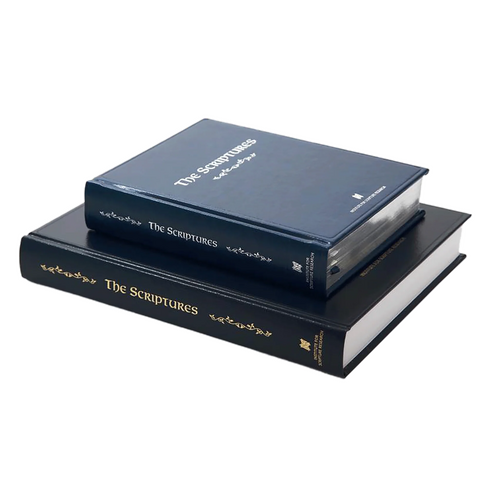
The Scriptures are what we use for Bible study. It's mostly in English, but introduces the reader to the Hebrew language. For some, this can be overwhelming. But if you have the mind for it, it's a nice introduction, allowing the reader to passively become accustomed to the Bible Jesus and His followers would have read (sans the New Testament, of course). In the Scriptures, Moses becomes Moshe. David become Dawid. Egypt becomes Mitsrayim. It's not trying to be confusing. Quiet the opposite. It's goal is to help you make biblical connections. The more we understand the Hebrew language, the better interpreters we'll be of Scripture.
Links We Like
We've long contended Yahweh's Torah is the foundation. Master the Torah, and the rest of Scripture will come alive. These are some of our favorites.
Tony Robinson
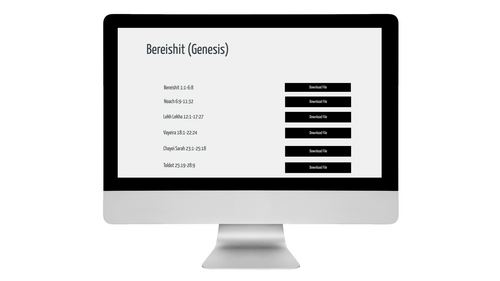
Tim Hegg
Almond House